Start with the whole shirt
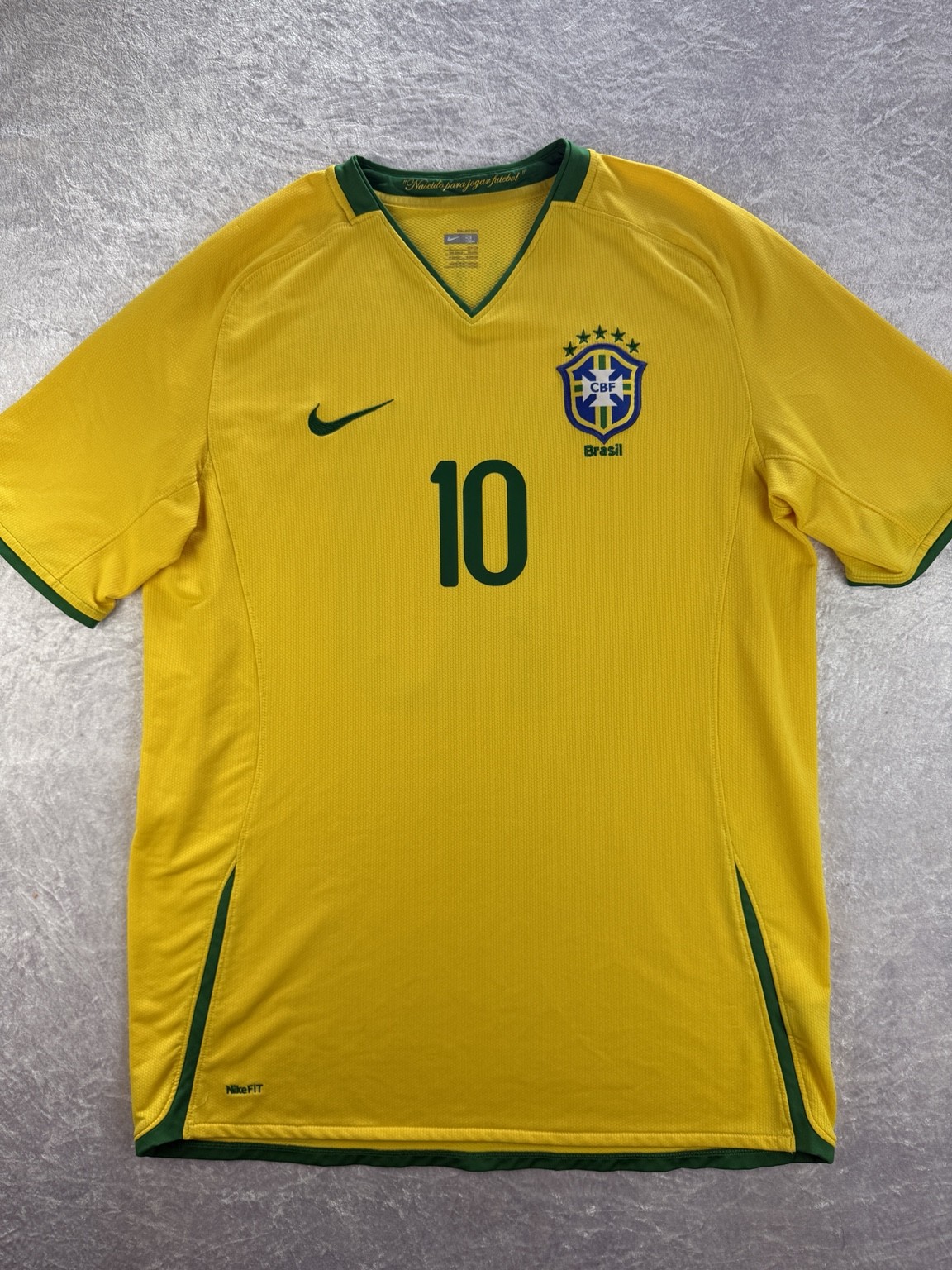
Before looking at a tiny label, step back and look at the shirt as a complete garment. Identify the club or country, season, manufacturer, shirt type and any obvious player or competition details.
This first pass is about consistency. Does the shirt look like the correct design for the season? Are the colours, panel shapes, collar, cuffs, crest, manufacturer logo and sponsor where they should be? A fake can sometimes have a good-looking label but still get the actual shirt wrong.
1. Check the manufacturer and internal labels
Labels are useful, but they should be treated as one part of the evidence rather than a pass/fail test. Look at the neck label, wash/care label and any additional product or authenticity labels.
Check the print quality, typeface, spacing, stitching, material and placement. Compare the label with a known genuine example from the same manufacturer and era whenever possible. Older shirts can look very different from modern ones, so applying modern expectations to a 1990s shirt is a common mistake.
2. Product codes are powerful — but not proof by themselves
Product or style codes are among the most useful checks on modern shirts. Nike, adidas and other manufacturers use product identifiers to distinguish products and colourways. For example, Nike publishes a style code on current product pages, while adidas publishes a product code on its football jerseys.
But a correct code does not automatically make a shirt genuine. Counterfeit manufacturers can copy real codes from genuine garments. The important question is whether the code agrees with the rest of the shirt.
Code + garment + season should agree.
If a label gives you a code for one shirt but the physical garment, colourway or construction belongs to another, stop and investigate. A copied genuine code on the wrong garment is still a red flag.
3. Look closely at construction
Turn the shirt inside out and examine how it has been made. Look at the seams, hems, collar, panels and any heat-applied or sewn components. Genuine shirts generally show consistent manufacturing quality, although the exact construction varies considerably between brands, factories, seasons and shirt levels.
Do not rely on “heavy fabric = genuine” or “light fabric = fake”. Modern match shirts can be extremely lightweight, while older genuine shirts can feel very different. What matters is whether the construction matches the particular shirt you are trying to identify.
4. Inspect the crest, manufacturer logo and competition details
Badges and logos are often where a counterfeit starts to give itself away. Check the shape, colours, embroidery or heat application, positioning and dimensions. Compare against clear photographs of a known genuine shirt from the same season.
Competition patches deserve the same attention. Premier League, Champions League and other patches have changed over time, and the correct patch for a particular season can be an important part of authenticating a shirt.
Be careful with assumptions, though. A shirt without a particular patch is not automatically fake: retail, player, match-issued and customised versions can differ.
5. Check the sponsor and nameset
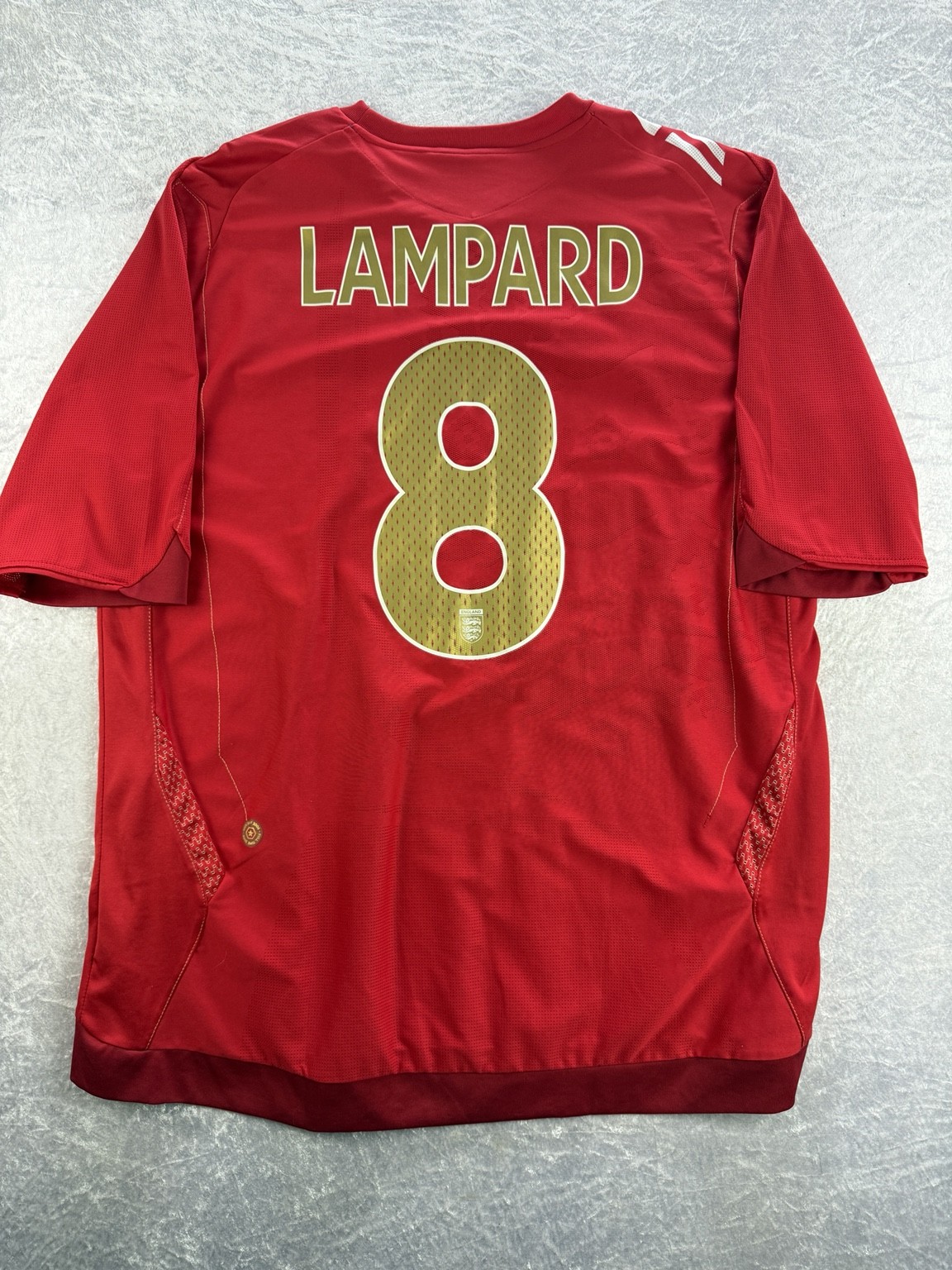
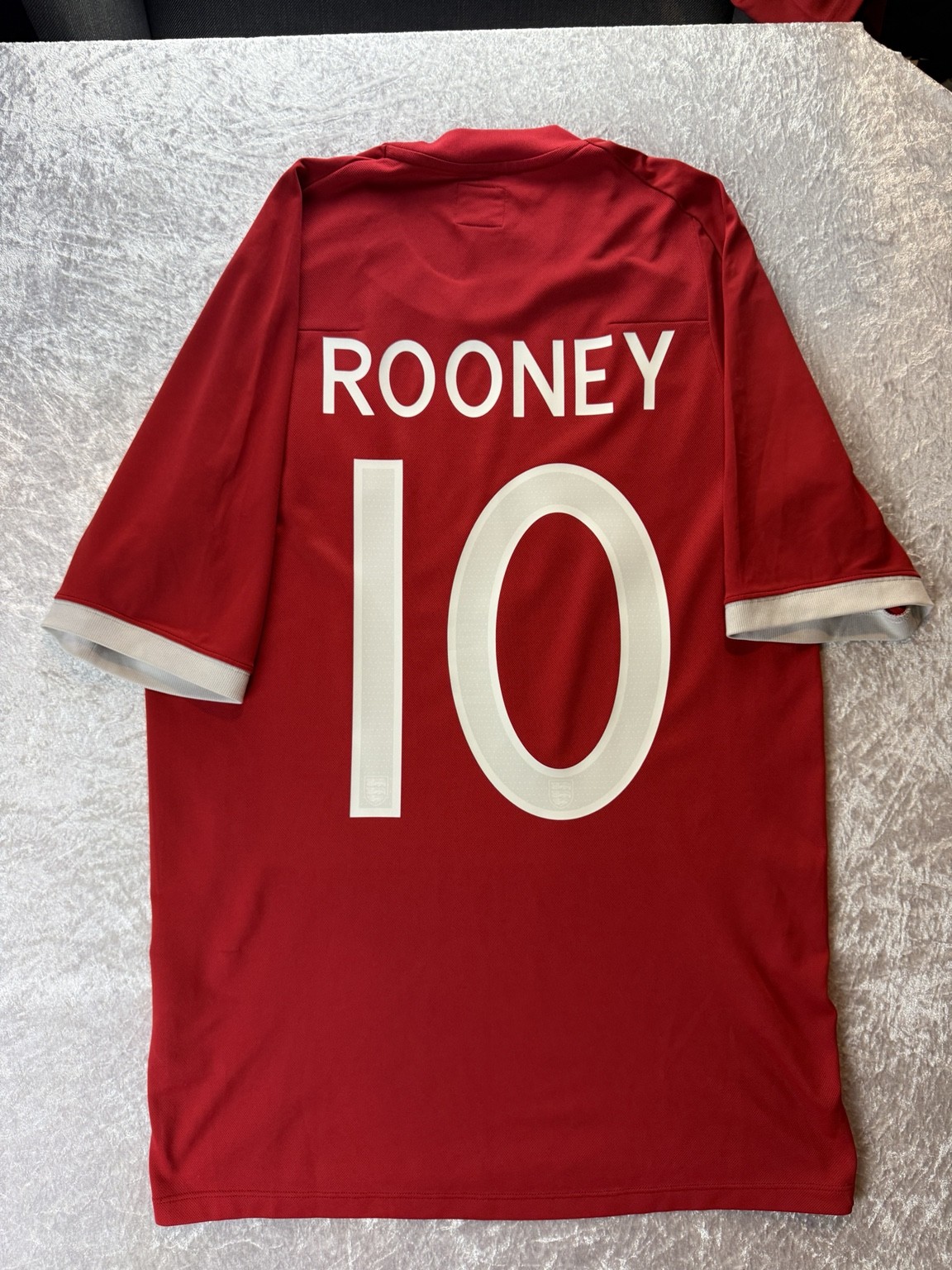
For older and collectible shirts, the sponsor and nameset can be particularly revealing. Check the typeface, dimensions, material, application method, colour and position. Some eras used felt, flock, rubberised, vinyl or other specialist applications, and these can vary by manufacturer and supplier.
A genuine shirt can also have a replacement or unofficially applied nameset. That does not necessarily mean the shirt itself is fake. Separate the question of whether the garment is genuine from whether the personalisation is original to the shirt.
6. Establish what version of the shirt it is
One of the biggest sources of confusion is treating “authentic” as meaning “player issue”. A genuine football shirt can be a perfectly legitimate retail replica/fan shirt without being the same version worn by players.
Manufacturers themselves distinguish between these levels. adidas describes authentic jerseys as the same type of shirt worn by professionals, while replica jerseys are legitimate fanwear. Nike similarly distinguishes its Match collection from Stadium/replica products.
So first ask: is the shirt genuine? Then ask: which version is it? Only after that should you start making claims about player issue, player spec, match issue or match worn.
7. Consider provenance and the seller
Where the shirt came from matters. A receipt, original purchase, collection history or previous seller can provide useful context. It is not absolute proof, but it can strengthen or weaken the overall story.
The seller matters too. Look at photographs carefully, ask for the details you need, and be cautious when a seller refuses to provide label or product-code photographs. Official manufacturers recommend buying through official or reputable retailers as the safest route to authenticity.
Common red flags
- Product code does not match the claimed shirt or colourway.
- Incorrect font, spacing or wording on internal labels.
- Badge, manufacturer logo or sponsor is visibly the wrong shape or size.
- Construction or fabric is inconsistent with known examples from that season.
- Details from different seasons appear together on the same shirt.
- The seller avoids clear photographs of labels, codes or details.
- The price is dramatically below the normal market level without a credible reason.
- The shirt is described as “player issue” solely because it has a product/authenticity tag.
The final check: does the story make sense?
Good authentication is not about finding one feature and declaring a shirt genuine. It is about building a picture from several independent details.
Ask yourself: Does the manufacturer fit? Does the product code fit? Does the design fit? Do the labels and construction fit? Do the badges, sponsor and nameset fit? Does the claimed version fit? Does the provenance make sense?
If several independent checks agree, confidence increases. If one important detail contradicts the rest, stop and investigate rather than explaining it away.
Manufacturer-specific authentication guides.
This guide is the starting point. Our next articles will go much deeper into individual manufacturers — including the labels, product codes, construction details and changes you need to know for Nike, adidas, Umbro, Puma, Reebok and more.
Useful manufacturer references
When checking a modern shirt, manufacturer product pages can help you compare product names, style or product codes and the intended shirt version.
Want a second opinion?
If you have a shirt you're unsure about, send us clear photographs of the front, back, internal labels, product code, badges and any nameset or sponsor details. We can take a look and tell you what stands out.
Contact Morton’s Football Vault →